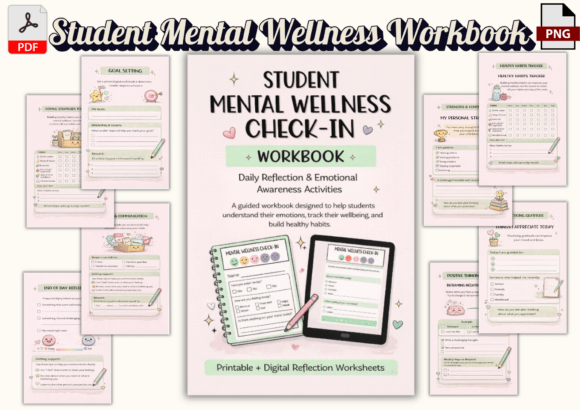
Student Mental Wellness Workbook
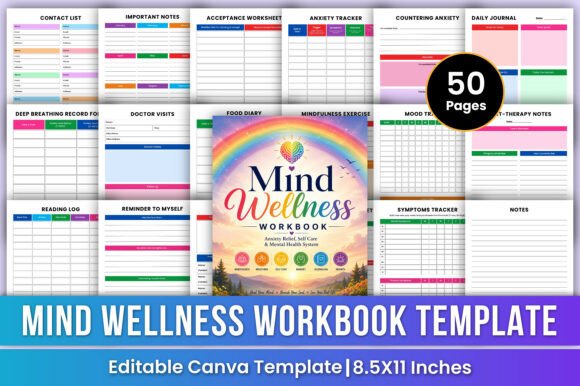
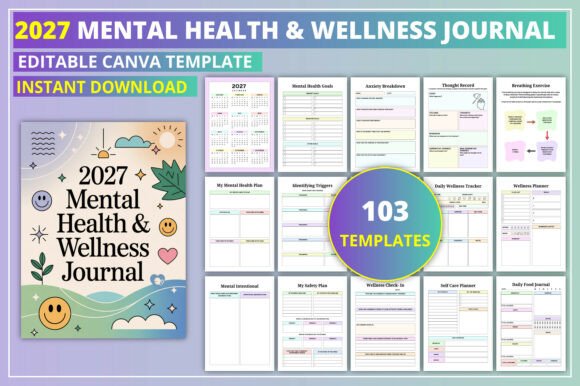
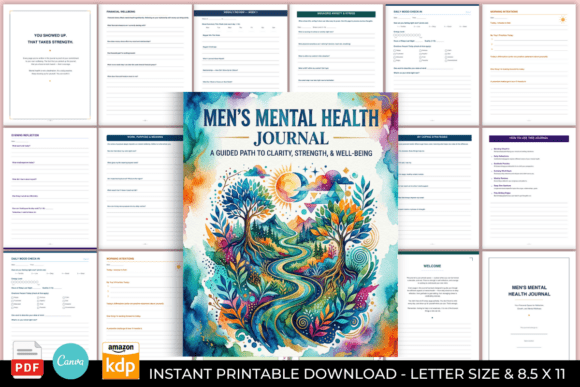
In today’s fast-paced world, mental wellness for students is more important than ever. The Student Mental Wellness Check-In Workbook offers a practical and engaging way to help young learners develop emotional awareness, confidence, and healthy coping skills. Designed as a 15-page printable SEL workbook, it provides structured activities that encourage reflection, positive thinking, and daily wellness check-ins. Whether used in classrooms, homes, or counseling sessions, this resource supports social emotional learning (SEL) with easy-to-follow prompts, checklists, and reflection activities.
This workbook is perfect for teachers, school counselors, homeschool families, and parents looking for an effective tool to support their students’ emotional growth. Its 6x9 inch size makes it ideal for journals or workbooks, and the inclusion of both PDF and PNG formats ensures flexibility for digital or print use. Each page is designed with student-friendly layouts that make exploring feelings safe and supportive.
What Makes This Workbook Unique?
The Student Mental Wellness Check-In Workbook stands out due to its focus on guided reflection and positive thinking exercises. It helps students identify their emotions, manage stress, and build healthy habits through a variety of activities. Some of the key features include:
- Daily Emotional Check-Ins: Encourage students to reflect on how they are feeling each day.
- Identifying Feelings and Emotions: Activities that help students recognize and name their emotions.
- Stress Awareness: Exercises that teach students how to notice and manage stress effectively.
- Positive Thinking Practice: Prompts that guide students toward developing a more positive mindset.
- Gratitude Reflection: Worksheets that help students focus on the good things in their lives.
- Strengths and Confidence Building: Activities that help students discover and celebrate their personal strengths.
- Healthy Habits Tracker: A tool for students to monitor their physical and emotional health routines.
- Coping Strategies Toolbox: A collection of strategies that students can use when facing challenges.
- Goal Setting Activities: Help students set achievable goals and track their progress.
- Support and Communication Exercises: Activities that teach students how to seek and offer support.
- End-of-Day Reflection Prompts: Provide a space for students to reflect on their day and emotions.
These activities are designed to be simple yet impactful, allowing students to engage with them independently or with guidance from educators or parents.
Creative Possibilities and Applications
The Student Mental Wellness Check-In Workbook is not only a valuable educational tool but also a source of creative inspiration. Educators can adapt the content to suit different classroom settings, while parents can use it at home to foster open conversations about mental health. Here are some creative possibilities for using this workbook:
- Classroom Integration: Teachers can incorporate the workbook into daily lessons or weekly SEL activities. For example, using the gratitude reflection worksheets during morning meetings or discussing coping strategies after a challenging day.
- Individualized Learning: Homeschoolers can tailor the workbook to meet the specific needs of their child, focusing on areas where the student may need more support or encouragement.
- Counseling Sessions: School counselors can use the workbook as a therapeutic tool during one-on-one sessions, helping students explore their feelings in a structured and supportive environment.
- Family Engagement: Parents can use the workbook as a starting point for family discussions about emotions, stress management, and healthy habits. This encourages open communication and strengthens family bonds.
- Therapeutic Use: Therapists working with children can utilize the workbook’s structured activities to help clients develop emotional awareness and coping skills in a safe and non-threatening way.
By adapting the workbook to different contexts and audiences, educators and caregivers can create a personalized approach to supporting student mental wellness.
Practical Tips for Using the Workbook
To get the most out of the Student Mental Wellness Check-In Workbook, consider the following tips:
- Set a Routine: Establish a consistent time for students to complete the workbook activities, such as during morning routines or before bedtime.
- Encourage Reflection: Ask students to share their thoughts and feelings after completing each activity. This promotes self-awareness and builds trust.
- Track Progress: Use the healthy habits tracker to monitor changes in behavior and emotional well-being over time.
- Customize Content: Modify activities based on the needs of individual students or groups. For example, adding new coping strategies or adjusting goal-setting activities.
- Provide Support: Offer guidance and reassurance when students encounter difficult emotions or situations. This creates a safe and supportive environment for exploration.
These practical tips ensure that the workbook remains a useful and engaging tool for students, educators, and parents alike.
Why Choose This Workbook?
The Student Mental Wellness Check-In Workbook is a comprehensive resource that supports the emotional development of students in a structured and meaningful way. Its focus on social emotional learning (SEL), positive thinking, and healthy coping strategies makes it an essential tool for educators, parents, and counselors. With its user-friendly design, flexible format, and wide range of activities, this workbook is suitable for a variety of settings and audiences.
Whether you're a teacher looking for classroom resources, a parent seeking to support your child’s emotional growth, or a counselor working with students, this workbook provides a valuable foundation for promoting mental wellness. Its engaging activities and clear structure make it an excellent choice for anyone committed to fostering emotional awareness and resilience in young learners.