ADHD Workbook for Kids
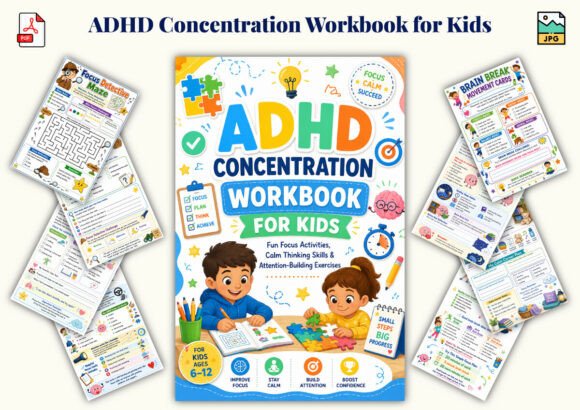
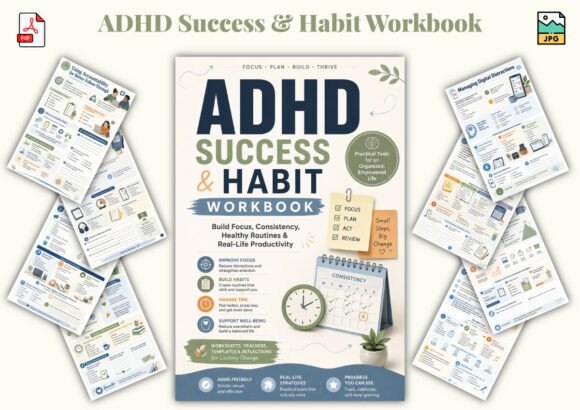
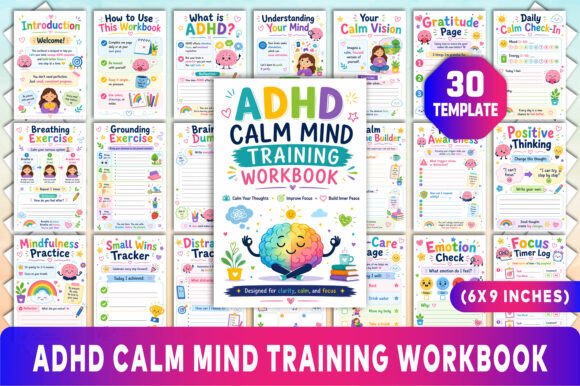
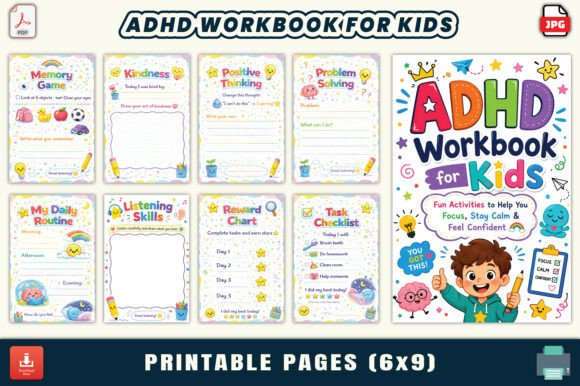
Helping children with ADHD develop focus, confidence, and emotional skills can be a challenging but rewarding journey. The ADHD Workbook for Kids offers a creative and structured approach to support kids in harnessing their energy and turning it into strength. This 30-page printable workbook is designed with care to provide engaging activities that are both fun and effective.
What Makes This Workbook Unique
The ADHD Workbook for Kids stands out because of its thoughtful design and variety of activities. It includes:
- Focus-building games and exercises that help children improve concentration and task completion.
- Emotional awareness and calming techniques that teach kids how to recognize and manage their feelings.
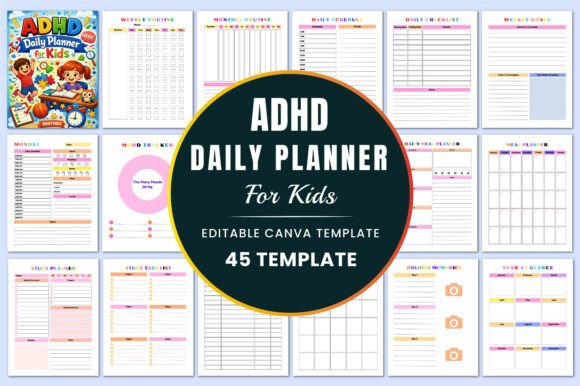
- Daily routines and task checklists that promote consistency and organization.
- Reward charts and progress trackers that encourage positive behavior and celebrate achievements.
- Creative drawing and reflection pages that allow kids to express themselves and reflect on their experiences.
- Confidence-building and positive thinking activities that foster self-esteem and resilience.
Each page is crafted with a clean white background and colorful, kid-friendly elements that make learning enjoyable. The workbook is available in high-quality JPG and PDF formats, making it easy to print and use at home, in the classroom, or during therapy sessions.
Practical Applications Across Different Settings
The ADHD Workbook for Kids is not just for parents; it's also an excellent resource for teachers, homeschoolers, and caregivers. In an educational setting, it can be used as part of social-emotional learning (SEL) programs to support students' emotional growth and academic performance. Teachers can incorporate the activities into daily lessons or use them as supplementary materials for students who need extra support.
For homeschoolers, the workbook provides a structured yet flexible way to integrate SEL and focus-building exercises into the curriculum. Parents can use it alongside other learning resources to create a well-rounded educational experience for their children. Caregivers and therapists can also benefit from using this workbook as a tool to engage children in meaningful conversations about emotions, goals, and self-improvement.
Why You'll Love Using This Workbook
One of the biggest advantages of the ADHD Workbook for Kids is its user-friendly layout. The activities are simple enough for children to understand and complete independently, which encourages a sense of accomplishment and confidence. The workbook also supports the development of important life skills such as time management, emotional regulation, and goal-setting.
Another key feature is the emphasis on creativity and self-expression. By incorporating drawing and reflection pages, the workbook allows children to explore their thoughts and feelings in a safe and supportive environment. This can be especially beneficial for kids who struggle with verbal communication or may feel overwhelmed by traditional methods of learning.
The reward system included in the workbook is another standout element. It helps reinforce positive behaviors and motivates children to stay on track with their tasks. Whether it's completing a checklist or achieving a personal goal, the visual progress tracker makes it easier for kids to see their accomplishments and stay motivated.
Real-World Use Cases and Recommendations
In a real-world scenario, a parent might use the ADHD Workbook for Kids to help their child develop better focus during homework time. By incorporating the focus-building games and task checklists, the parent can create a routine that helps the child stay engaged and productive without feeling overwhelmed.
A teacher might use the workbook as part of a weekly SEL lesson plan. For example, they could introduce the emotional awareness activities once a week to help students identify and manage their feelings. This can lead to improved classroom behavior and stronger peer relationships.
Homeschoolers can benefit from using the workbook to supplement their curriculum. The daily routines and task checklists can help structure the day, while the confidence-building activities can support the child's overall well-being and self-esteem.
When selecting and implementing the ADHD Workbook for Kids, it's important to consider the individual needs of the child. Some kids may benefit more from the focus-building exercises, while others may find the emotional awareness activities more helpful. It's also a good idea to involve the child in choosing which activities to complete, as this can increase their engagement and motivation.
Overall, the ADHD Workbook for Kids is a valuable resource that can be used in a variety of settings to support children with ADHD. Its combination of practical activities, creative expression, and positive reinforcement makes it an ideal tool for parents, teachers, and caregivers looking to help kids build focus, confidence, and emotional skills in a fun and engaging way.