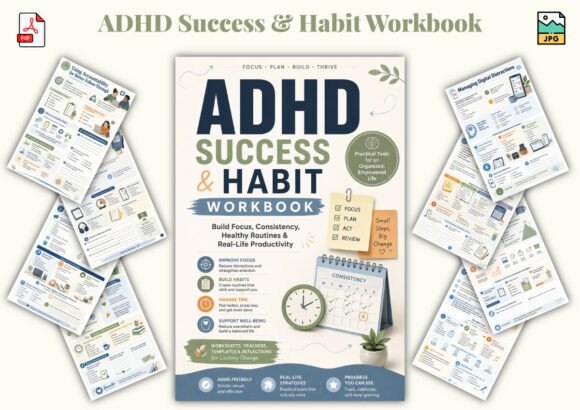
ADHD Success Habit Workbook
In today’s fast-paced world, creating effective visual communication requires more than just aesthetic appeal—it demands purposeful design that resonates with the audience and supports real-world applications. The ADHD Success Habit Workbook is a prime example of how thoughtful design can enhance functionality and usability in creative resources. Designed with both form and function in mind, this workbook combines professional layout, ADHD-friendly structure, and minimalist visuals to provide a practical tool for habit-building and organization. Whether you're a designer looking to incorporate similar principles into your work or someone seeking to improve productivity, understanding the value of such structured design can elevate your creative projects and communication strategies.
The Role of Design in Enhancing Productivity Tools
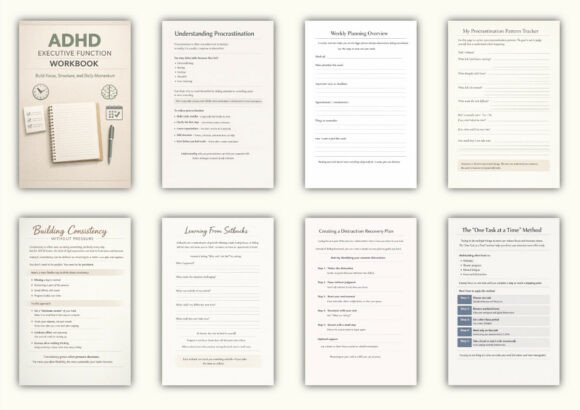
Design plays a crucial role in making tools like the ADHD Success Habit Workbook not only visually appealing but also highly functional. A clean and modern layout ensures readability and reduces cognitive load, which is especially important for individuals with ADHD who may struggle with traditional planning systems. From a graphic design perspective, elements like typography, color palette, and visual hierarchy are carefully chosen to support focus, clarity, and emotional regulation. These considerations align with broader design principles used in branding, editorial layouts, and UI/UX design, where user experience is paramount.
The workbook's use of minimalistic design and calming aesthetics reflects current trends in visual communication that prioritize mental wellness and accessibility. This approach mirrors how brands today are incorporating inclusive design practices to create products that resonate with diverse audiences. For designers, understanding these principles can help in developing materials that are not only beautiful but also meaningful and effective.
Practical Applications in Creative Projects
The ADHD Success Habit Workbook offers valuable insights into how structured design can be applied across various creative fields. Here are some practical applications:
- Branding and Logo Design: Just as the workbook uses consistent visual elements to guide users through habit formation, logos should reflect brand identity through consistent typography, color, and imagery.
- Social Media Graphics: The workbook’s clean layout can inspire social media content that is easy to digest and visually engaging, improving user engagement and message retention.
- Website and UI Design: Incorporating clear visual hierarchy and intuitive navigation, much like the workbook does, can significantly enhance user experience and reduce bounce rates.
- Packaging Design: The minimalist style of the workbook can translate well into product packaging that communicates simplicity and quality at a glance.
By analyzing the ADHD Success Habit Workbook, designers can gain inspiration on how to apply similar techniques in their own work. The workbook demonstrates how thoughtful attention to detail—such as spacing, alignment, and contrast—can transform a simple document into a powerful tool for personal development and productivity.
Ultimately, whether you're creating a brand identity, designing a website, or crafting marketing materials, the lessons from the ADHD Success Habit Workbook highlight the importance of purposeful design. It reminds us that every visual element contributes to the overall message and experience, reinforcing the idea that great design is not just about looks—it’s about impact and effectiveness.