The Little Explorer Discovery Journal: A Tool for Curious Minds and Creative Learning
In today’s fast-paced world, finding meaningful ways to engage children in learning and exploration can be challenging. The Little Explorer Discovery Journal offers a unique solution by combining creativity, curiosity, and structured learning into one interactive experience. Designed specifically for kids, this journal is more than just a notebook—it's an invitation to discover the world around them, document their findings, and grow through hands-on activities.
Whether used at home, on vacation, or as part of a homeschooling curriculum, the Little Explorer Discovery Journal helps children develop essential skills like observation, critical thinking, and reflection. It provides a fun and engaging way to turn everyday moments into memorable learning experiences.
What is the Little Explorer Discovery Journal?
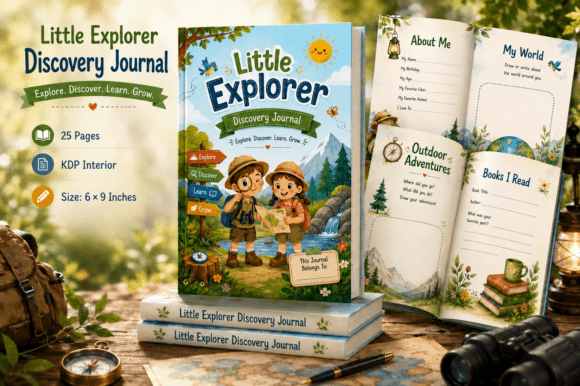
The Little Explorer Discovery Journal is an interactive journal designed to inspire kids to explore their surroundings, think creatively, and reflect on what they learn. It includes a variety of pages that encourage drawing, writing, observing, and reflecting on new discoveries. Each page is crafted with a child-friendly layout and vibrant designs that make learning feel like an adventure.
This journal is perfect for children who love to ask questions, draw, write stories, and keep track of their adventures. It supports both independent play and guided learning, making it a versatile tool for parents, educators, and curious young minds alike.
Challenges and Goals in Child Development and Learning
Many parents and educators face the challenge of keeping children engaged in learning without making it feel like a chore. Traditional methods often fail to capture a child's imagination or provide the kind of hands-on experience that makes learning stick. Additionally, there's a growing need for resources that promote creativity, curiosity, and critical thinking in early education.
The Little Explorer Discovery Journal addresses these challenges by offering a dynamic platform for exploration. It encourages children to take an active role in their learning, which increases engagement and retention. Whether it's identifying different types of leaves, sketching animals in the park, or writing about a new discovery, the journal transforms passive learning into an exciting journey.
How the Little Explorer Discovery Journal Can Help
The Little Explorer Discovery Journal is ideal for children who enjoy hands-on learning and creative expression. It provides a space where they can document their observations, express their thoughts, and even set small goals for themselves. For example, a child might use the journal to track the number of birds they see in their neighborhood over a week or create a story based on a nature walk.
For parents and educators, this journal serves as a valuable resource for fostering curiosity and encouraging independent thinking. It can be used to supplement school lessons, reinforce concepts learned in class, or simply provide a fun activity to do together. The journal also supports memory-keeping, helping children reflect on their experiences and build a sense of accomplishment.
Practical Applications and Outcomes
The Little Explorer Discovery Journal can be used in a variety of settings, including homeschooling, travel, and daily learning. Here are some practical examples of how it can be applied:
- Homeschooling: Incorporate the journal into your lesson plans by using its prompts and activities to reinforce subjects like science, geography, and writing.
- Travel: Use the journal to document new places, people, and experiences while on vacation. This not only keeps children entertained but also helps them retain information about their travels.
- Daily Learning: Encourage children to use the journal during routine activities, such as walks in the park, trips to the grocery store, or even mealtime conversations.
By regularly using the Little Explorer Discovery Journal, children can develop a habit of observation and reflection. They will begin to see the world through a more curious and analytical lens, which can lead to long-term benefits in academic performance and personal growth.
Examples and Recommendations
One great way to start using the Little Explorer Discovery Journal is by setting aside time each day for a "discovery moment." This could involve going on a short walk, exploring the backyard, or even examining objects around the house. Children can then use the journal to draw what they see, write about their observations, or answer reflective questions.
Another recommendation is to incorporate the journal into educational themes. For instance, if you're studying plants, use the journal to document the growth of a seed over time. If you're learning about animals, have children sketch and describe different species they encounter.
It's also helpful to encourage children to share their entries with others. This promotes communication skills and allows them to receive feedback and encouragement from family members or teachers.
Approaching the Topic Differently
Children have different interests and learning styles, so the Little Explorer Discovery Journal can be adapted to suit individual needs. Some kids may prefer focusing on drawing and doodling, while others may enjoy writing detailed descriptions of their discoveries. Educators and parents can tailor the use of the journal to match a child's strengths and preferences.
For example, a child who loves art might spend more time on the drawing sections, while a child who enjoys storytelling might focus on the creative writing prompts. This flexibility ensures that every child can find value in the journal and engage with it in a way that feels natural and enjoyable.
Additionally, the journal can be used in group settings, such as classroom projects or family trips. This encourages collaboration and social learning, which are important aspects of development.
Useful Considerations
When using the Little Explorer Discovery Journal, it's important to create a positive and supportive environment. Praise children for their efforts and encourage them to explore without fear of mistakes. The goal is to foster a love of learning, not perfection.
Also, consider incorporating technology into the experience. For example, children can take photos of their discoveries and add them to the journal, or use digital tools to enhance their drawings and writings. This blend of traditional and modern approaches can make the learning experience even more engaging.
Finally, remember that the Little Explorer Discovery Journal is a tool meant to be used regularly. Consistency is key when it comes to developing skills like observation, reflection, and critical thinking. By making it a part of daily routines, children can reap the full benefits of this interactive learning experience.